
Keyword Research and Strategy for SEO Success in 2026
SEO in 2026 has shifted from chasing keywords to answering queries, entities, and intent. Search engines reward brands that demonstrate experience, expertise, authoritativeness, and trust (E-E-A-T) while organizing content around topics, not just terms. This guide shows you how modern keyword research and a clear keyword strategy work together to win rankings, clicks, and conversions—even in a zero-click world.
What Is Keyword Research and Why Does It Still Matter?
Keyword research is the process of discovering the language your audience uses across the buyer journey so you can create content that ranks and converts. It still matters because search is how people validate problems, compare solutions, and choose providers in the UK. Done right, it uncovers demand, reveals intent, and informs everything from page architecture to copy and internal linking.
The Shift from Keywords to Queries and Entities
Modern SEO is less about exact-match keywords and more about satisfying query intent and covering related entities. Search engines map relationships between topics, brands, and attributes. To win, build topic completeness: cover the core topic, its subtopics, FAQs, and the supporting entities that prove relevance and expertise.
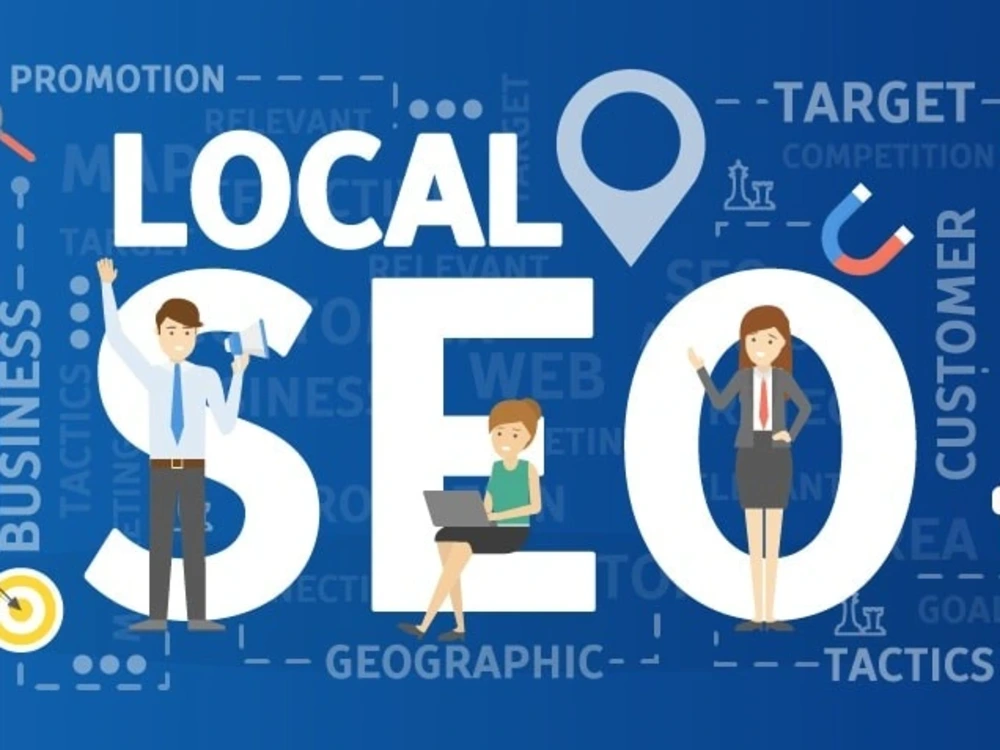
Local SEO Agency in the UK
The role of a Local SEO Agency in the UK is becoming more important as businesses compete for visibility in location-based searches and Google Maps results.
The Role of Search Intent: Match Content to What People Actually Want
Every query signals an intent:
Informational: learn, compare, define, troubleshoot
Navigational: find a brand or page
Commercial investigation: shortlist, compare features and pricing
Transactional: buy, book, sign up
Audit the current SERP to confirm intent and build content that matches it.
Why Long-Tail Keywords Drive More Conversions Than You Think
Long-tail queries are specific, lower volume, and higher intent. They usually face less competition and convert better because they reveal context and readiness, such as service-based or location-focused searches in the UK.
Keyword Research vs. Keyword Strategy
Research finds opportunities. Strategy decides what to tackle, in what order, and how you will win. Strong SEO strategy turns data into a roadmap tied to business growth.
The 5-Phase Framework: From Ideas to Results
Phase 1: Discovery
Phase 2: Analysis
Phase 3: Prioritization
Phase 4: Organization
Phase 5: Measurement
A Proven Research Process That Drives Results
Step 1: Understand your audience in the UK
Step 2: Competitor keyword gap analysis
Step 3: Filter by keyword difficulty and value
Step 4: Group keywords into clusters
Keyword Research and Google E-E-A-T: Trust Starts with the Right Topics
Choosing the right topics builds trust signals. Demonstrating experience and authority is essential for ranking in competitive UK markets.
Call to Action
Ready to find the keywords that actually move the needle? Book a free strategy session with Ad-tivity today.