SEO and paid ads offer distinct advantages and drawbacks for UK ecommerce brands. SEO focuses on long-term organic growth, while paid ads provide immediate traffic. This guide compares the two strategies to help you determine which delivers the best return on investment (ROI) for your business.
For UK ecommerce brands, the choice between SEO and paid ads can significantly impact your marketing ROI. Both methods promise visibility, traffic, and sales, but they differ in their approach, cost, and timeline for results. This article explores the pros and cons of SEO and paid ads and how to use them to your advantage in 2025.
Understanding SEO: Long-Term Organic Growth
SEO (Search Engine Optimisation) focuses on improving your website’s visibility in organic, unpaid search results. A Local SEO Agency in the UK will help optimise keywords, enhance website structure, and build high-quality content and backlinks. The goal of SEO is to drive consistent, long-term traffic, ensuring your website’s visibility remains high without the need for ongoing ad spend.
The Future of SEO in the UK: Strategies Businesses Can’t Ignore in 2025
Benefits of SEO
- Lower long-term costs: After the initial investment in SEO, traffic continues without additional advertising spend.
- Sustainable visibility: Strong search engine rankings can deliver ongoing traffic and sales for months or years.
- Brand trust and authority: A strong organic presence can establish your brand as credible and trustworthy.
Limitations of SEO
- Slower results: SEO takes time, often several months, before you see meaningful results.
- Ongoing maintenance: Search engine algorithms change frequently, requiring continuous optimisation to maintain rankings.
How to Measure Results from a Personal Injury SEO Agency UK
Understanding Paid Ads: Immediate and Targeted Traffic
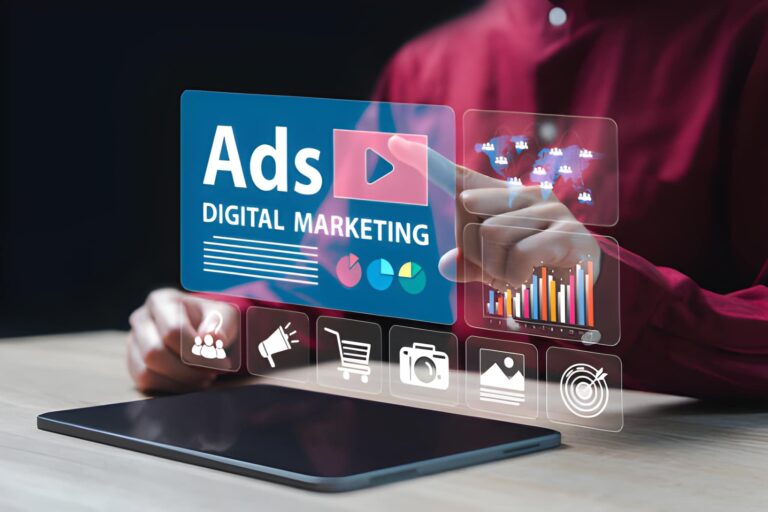
Paid advertising offers immediate visibility by placing your brand in front of targeted audiences. Platforms like Google Ads and social media allow you to pay for clicks or impressions, which drives traffic instantly.
Benefits of Paid Ads
- Fast results: Paid ads can generate immediate traffic and sales from the moment the campaign is launched.
- Precise targeting: Ads can be targeted by location, interests, behaviours, and demographics.
- Budget control: Daily budgets and bidding strategies help you manage costs effectively.
Local SEO for Personal Injury Lawyers
Limitations of Paid Ads
- Costs increase over time: As competition grows, costs can rise, affecting profitability if campaigns are not optimised.
- Traffic stops when spending stops: Once the ad budget runs out or campaigns are paused, visibility and traffic cease immediately.
Comparing ROI: SEO vs Paid Ads
Short-Term vs Long-Term Returns
- Paid ads generally deliver quick returns, making them ideal for short-term goals like product launches or promotions.
- SEO, while slower, generates lasting value by building organic traffic that doesn’t require ongoing ad spend.
Cost Efficiency
- SEO provides compounding value. Once your content ranks, it continues to generate traffic without continuous cost.
- Paid ads require ongoing spending, which can become costly in competitive markets.
Conversion Behaviour
- Paid ads convert well due to their intent-based targeting, reaching users who are actively looking for products or services.
- SEO-driven traffic often comes from users who trust organic search results, which can lead to higher lifetime value as relationships are built over time.
Choosing the Best SEO Agency for Personal Injury UK
Best Use Cases for Each Strategy
SEO works best for:
- Long-term growth
- Brand authority and trust
- Sustainable ecommerce traffic
- Content-driven product discovery
Paid ads work best for:
- Immediate visibility
- Time-sensitive campaigns
- Testing new products or offers
- Retargeting existing audiences
Why Many UK Brands Are Rebalancing Towards SEO
As ad costs rise and paid media performance becomes less predictable, many brands are shifting more focus to SEO. With structured SEO strategies, like topic clusters, content hubs, and ethical link building, brands can ensure long-term stability and consistent growth without being overly reliant on paid ads.
The Role of AI and Data in Modern SEO
AI-powered tools now play a key role in SEO, helping with keyword research, content optimisation, and performance forecasting. These tools make SEO more measurable, allowing brands to identify growth opportunities more accurately.
Conclusion
There is no one-size-fits-all answer. Paid ads are great for fast, short-term results, while SEO delivers stronger, more cost-efficient long-term ROI. The most effective approach is to integrate both strategies. Use paid ads to generate immediate results while building SEO foundations that support sustainable growth over time.
Call to Action: Grow Smarter with Ad-tivity
Maximise ROI from both SEO and paid ads with Ad-tivity. We help UK ecommerce brands build balanced, data-driven marketing strategies that deliver measurable growth. From long-term organic visibility to high-performing paid campaigns, we focus on results that scale sustainably.
Get in touch with Ad-tivity today to discover a smarter way to grow your ecommerce brand.
Frequently Asked Question
1. Why are many brands investing more in SEO?
SEO offers a more stable, long-term strategy compared to rising ad costs and unpredictable paid media performance.
2. Does SEO reduce marketing costs?
Yes, once rankings are established, SEO continues to drive traffic without ongoing advertising spend.
3. Can SEO deliver results as quickly as paid ads?
No, paid ads provide faster results, but SEO yields stronger, long-term returns.
4. Why are SEO audits important?
SEO audits help identify technical issues, content gaps, and optimisation opportunities, improving performance.
5. Is paid advertising still useful alongside SEO?
Yes, paid ads complement SEO by providing immediate traffic while organic strategies develop.
Last Updated
Last updated: 23 January 2026